SPAD Camera
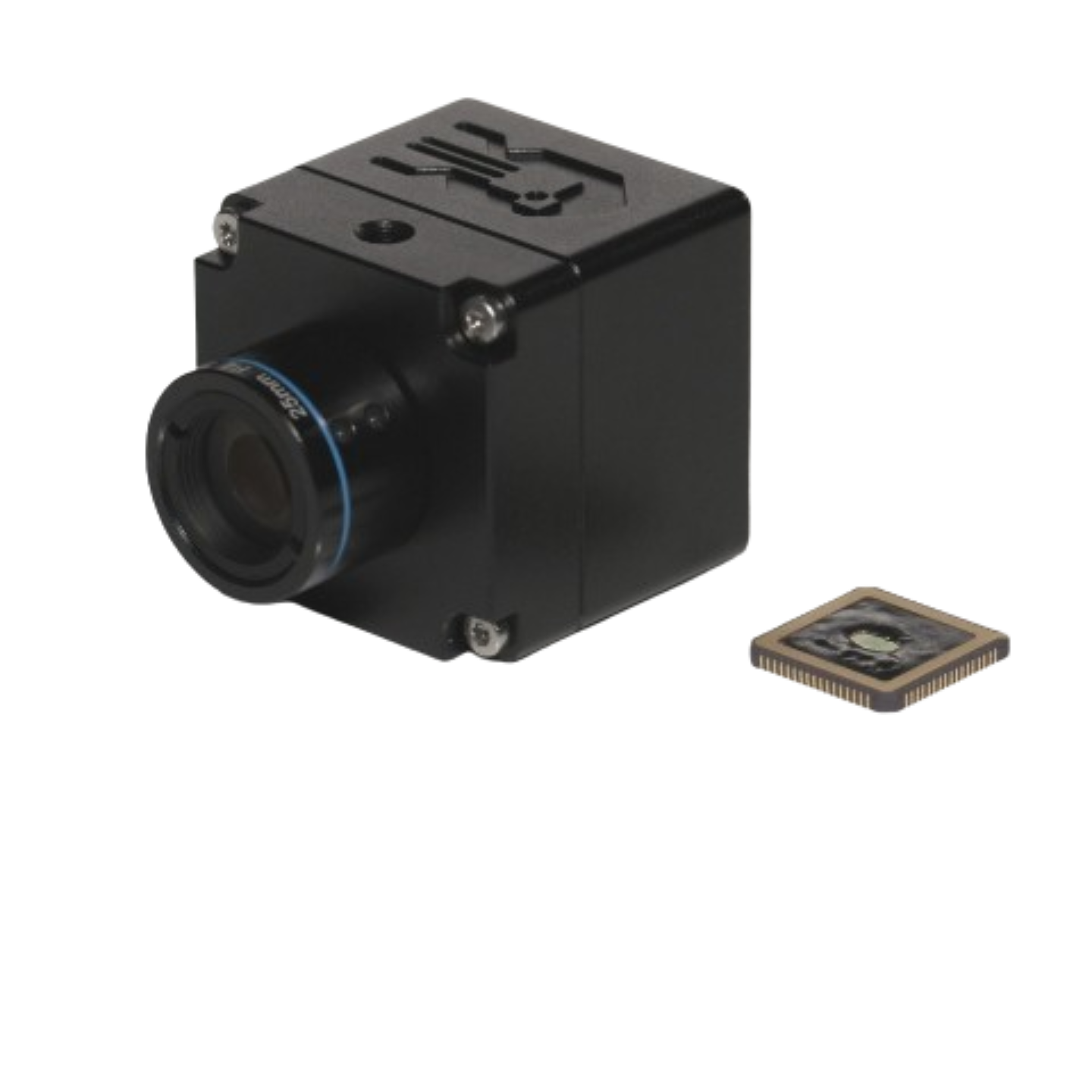
A SPAD Camera (Single Photon Avalanche Diode Camera) represents a significant advancement in optical imaging, enabling the detection of individual photons with extremely high temporal precision. Designed for ultra-low light and time-resolved applications, SPAD cameras are widely used in cutting-edge photonics, quantum optics, and advanced sensing systems.
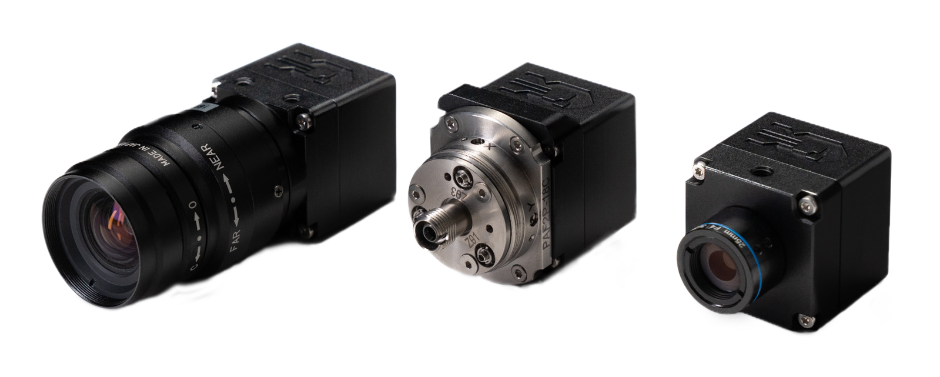 Open product: Asynchronous Single-Photon Camera (NV04ASC-HW)
Asynchronous Single-Photon Camera (NV04ASC-HW)
The NovoViz NV04ASC-HW Asynchronous photon-driven camera was developed for applications requiring high sensitivity and/or frame… Read more
Unlike conventional imaging sensors, SPAD cameras operate in photon-counting mode, allowing accurate measurement of light intensity and timing at the single-photon level. This capability is critical in applications such as fluorescence lifetime imaging (FLIM), time-of-flight (ToF) measurement, and LiDAR systems, where both spatial and temporal resolution are essential.
As modern optical systems demand higher sensitivity and faster data acquisition, SPAD cameras provide a powerful solution for capturing dynamic processes that are otherwise undetectable with standard detectors.
What is SPAD Camera?
A SPAD Camera is an imaging device based on an array of single photon avalanche diodes, each functioning as an independent photon detector. When a photon is detected, the SPAD pixel generates a measurable electrical pulse through an avalanche multiplication process.
SPAD cameras are capable of detecting extremely low light levels, down to single photons, while also providing precise timing information. This makes them ideal for applications requiring both high sensitivity and temporal resolution.
These systems often integrate advanced electronics for photon counting, timing, and data processing, enabling real-time imaging and analysis.
How SPAD Camera Technology Works
SPAD cameras rely on avalanche photodiode technology operating in Geiger mode:
- Photon detection: A single photon triggers an avalanche event in the diode
- Avalanche multiplication: The signal is amplified into a detectable electrical pulse
- Quenching mechanism: The avalanche is rapidly stopped to reset the pixel
- Timing measurement: The arrival time of the photon is recorded with high precision
- Data processing: Signals from multiple pixels are combined to form an image
Key operational features include:
- Single-photon sensitivity
- Picosecond-level timing resolution
- High-speed photon counting
The integration of timing electronics allows SPAD cameras to perform time-correlated measurements, enabling advanced imaging techniques such as TCSPC and FLIM.
Applications of SPAD Camera
SPAD cameras are used in advanced scientific and industrial applications:
- Scientific research – quantum optics and photon correlation studies
- Spectroscopy and analysis – time-resolved measurements
- Medical and life sciences – fluorescence lifetime imaging (FLIM)
- LiDAR and 3D imaging – time-of-flight distance measurement
- Semiconductor testing – ultra-fast optical diagnostics
- Defence and security – low-light imaging and sensing
- Telecommunications – optical signal analysis
- Environmental monitoring – photon-based sensing systems
- Imaging and inspection systems – high-speed and low-light imaging
Key Features and Capabilities
- Single-photon sensitivity for ultra-low light detection
- High photon detection efficiency (PDE)
- Picosecond timing resolution for time-resolved imaging
- Low dark count rate for improved signal accuracy
- High frame rates and fast data acquisition
- Pixel array configurations for spatial imaging
- Time-correlated single photon counting (TCSPC) capability
- Flexible data output and interface options
Benefits of Using SPAD Camera Systems
SPAD cameras provide significant advantages in advanced imaging applications:
- Unmatched sensitivity for detecting extremely low light signals
- High temporal resolution for precise timing measurements
- Enhanced system performance in time-resolved applications
- Reliable operation in demanding scientific environments
- Scalability for integration into complex imaging systems
- Efficient data acquisition for dynamic processes
These benefits enable new capabilities in photonics, quantum technologies, and advanced sensing.
Choosing the Right SPAD Camera
Selecting the appropriate SPAD camera requires careful consideration of system requirements:
- Spectral sensitivity for your application wavelength range
- Timing resolution for time-resolved measurements
- Photon detection efficiency (PDE)
- Dark count rate (DCR) and noise performance
- Pixel resolution and array size
- Frame rate and data throughput
- Integration requirements, including synchronisation and interfaces
- Software compatibility and data processing needs
- Cooling and environmental considerations
Careful evaluation ensures optimal performance and integration.
Our SPAD Camera Solutions
PEO Photonics offers advanced SPAD Camera solutions from NovoViz, delivering high-performance single-photon imaging systems for research and industrial applications.
These solutions provide:
- High-sensitivity photon detection
- Precise time-resolved imaging capabilities
- Reliable integration into advanced photonics systems
Our team supports customers with system selection, integration, and optimisation to meet specific application requirements.
Why Choose PEO Photonics
- Expertise in advanced photonics and imaging technologies
- Partnerships with leading manufacturers such as NovoViz
- Technical support for system integration and optimisation
- Solutions tailored for research, industrial, and defence applications
- Reliable global supply and logistics
Conclusion
SPAD cameras are at the forefront of optical imaging technology, enabling single-photon detection and precise time-resolved measurements. Their ability to capture ultra-low light signals with high temporal accuracy makes them essential for modern photonics and scientific applications.
Explore the SPAD camera solutions available from PEO Photonics or contact our team for expert guidance tailored to your requirements.


