In modern environments, accurate light measurement is required across industries ranging from workplace safety and architectural lighting to laboratory research and industrial inspection. Light Meters enable engineers and technicians to assess whether lighting conditions meet required standards and perform consistently under varying conditions.
Advanced Light Meters combine high sensitivity, accurate spectral response, and robust calibration to deliver reliable and repeatable measurements. Whether used as handheld devices or integrated into measurement systems, they are fundamental tools for precise photometric analysis.
What is Light Meters?
Light Meters are instruments designed to measure illuminance, which is the amount of light incident on a surface. The measurement is typically expressed in lux (lx), representing lumens per square metre.
These devices use photodetectors that mimic the spectral sensitivity of the human eye (V(λ) curve), ensuring that measurements accurately reflect perceived brightness.
Light Meters can be:
- Handheld devices for field measurements
- Laboratory instruments for high-precision analysis
- Integrated systems within automated measurement setups
They are widely used for evaluating lighting conditions and ensuring compliance with standards.
How Light Meters Technology Works
Light Meters operate by converting incident light into an electrical signal:
- Light detection: A photodiode sensor detects incoming light
- Spectral filtering: Filters match the human eye response (V(λ))
- Signal conversion: Light intensity is converted into an electrical signal
- Processing: Electronics calculate illuminance values
- Display/output: Results are shown or transmitted digitally
Key principles include:
- Photometric measurement aligned with human vision
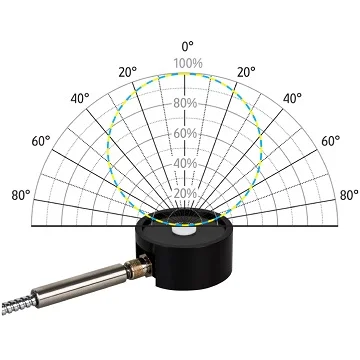
- Cosine correction for accurate angular response
- Calibration traceability for measurement reliability
These mechanisms ensure precise and consistent illuminance measurement.
Applications of Light Meters
Light Meters are used across a wide range of industries:
- Industrial automation – monitoring lighting conditions in production
- Semiconductor manufacturing – cleanroom lighting verification
- Scientific research – controlled optical experiments
- Spectroscopy and analysis – supporting photometric measurements
- Medical and life sciences – ensuring proper illumination in diagnostics
- Defence and security – optical system testing
- Environmental monitoring – daylight and artificial light measurement
- Telecommunications – optical system evaluation
- Lighting design and compliance – workplace and architectural lighting
Key Features and Capabilities
- Accurate illuminance measurement in lux (lx)
- Spectral response matched to V(λ) curve
- High measurement accuracy and calibration stability
- Wide dynamic range for low and high light levels
- Fast response time for real-time measurement
- Cosine-corrected sensors for angular accuracy
- Portable and compact designs
- Digital interfaces for data logging and integration
Benefits of Using Light Meters Systems
- Accurate lighting assessment for compliance and optimisation
- Improved system performance through reliable measurement data
- Enhanced safety and efficiency in workplaces
- Reliable operation in laboratory and field environments
- Scalable integration into automated monitoring systems
- Efficient data collection for analysis and reporting
These benefits support consistent and high-quality lighting performance across applications.
Choosing the Right Light Meters
Selecting the appropriate Light Meters requires evaluating key parameters:
- Measurement range (lux levels required)
- Accuracy and calibration standards
- Spectral response (V(λ) compliance)
- Cosine correction performance
- Portability vs fixed installation
- Data logging and connectivity options
- Environmental conditions (indoor/outdoor use)
- Maintenance and recalibration requirements
- Budget and lifecycle considerations
Choosing the right device ensures accurate and reliable measurement outcomes.
Our Light Meters Solutions
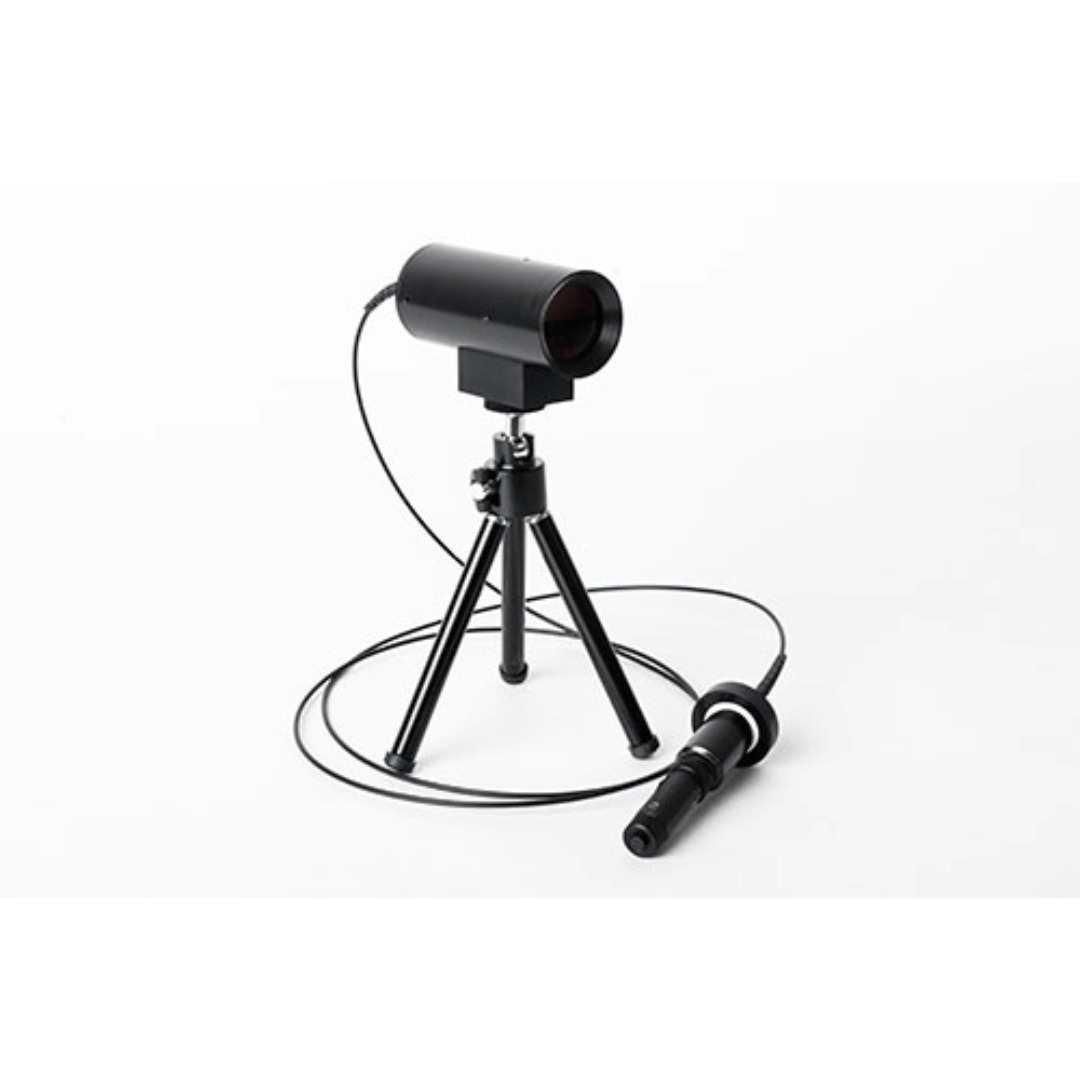
PEO Photonics offers professional Light Meters from GL Optic, designed for accurate illuminance measurement in demanding environments.
These solutions provide:
- High photometric accuracy and stability
- Reliable calibration and traceability
- Integration with broader light measurement systems
Our team supports customers in selecting and integrating the most suitable solution for their application.
Why Choose PEO Photonics
- Expertise in photonics and optical measurement technologies
- Partnerships with leading manufacturers such as GL Optic
- Technical support for integration and application optimisation
- Solutions tailored for research, industrial, and defence sectors
- Reliable global supply and logistics
Conclusion
Light Meters are fundamental tools for measuring illuminance and ensuring accurate lighting conditions across a wide range of applications. Their ability to provide reliable photometric data supports compliance, system optimisation, and high-quality performance.
Explore the Light Meters available at PEO Photonics or contact our team for expert guidance on selecting the right solution for your measurement needs.