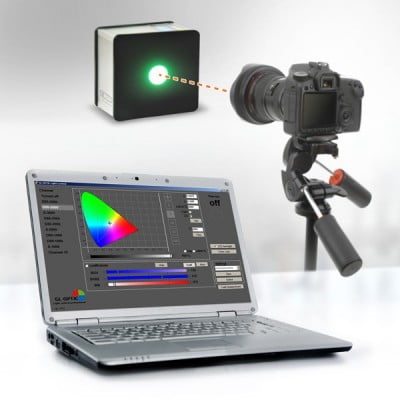
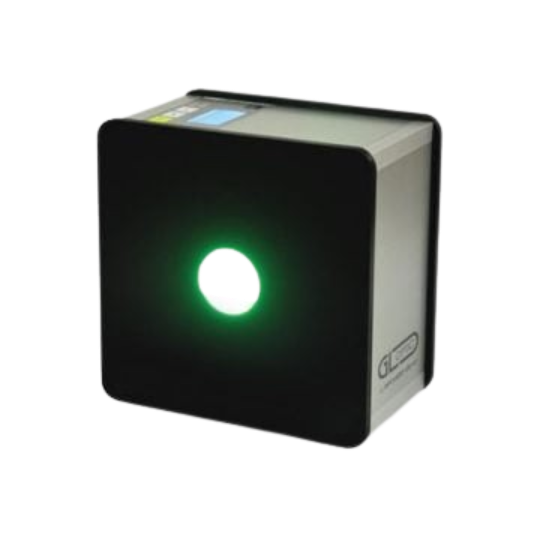
In modern photonics and optical engineering, precision measurement is critical for product development, quality assurance, and regulatory certification. Reference Sources enable engineers and researchers to establish known baseline conditions, allowing accurate comparison and validation of measurement systems.
By delivering controlled spectral output, high stability, and traceable calibration, Reference Sources play a key role in maintaining measurement integrity across laboratory, industrial, and field environments.
What is Reference Sources?
Reference Sources are calibrated light sources with well-defined optical characteristics used as standards for measurement and calibration. They provide a known output in terms of luminance, irradiance, or spectral distribution, enabling accurate calibration of optical instruments.
These sources are typically traceable to recognised standards organisations such as NIST or PTB, ensuring measurement consistency and reproducibility.
Reference Sources can include:
- Luminance standards for brightness calibration
- Irradiance standards for spectral power calibration
- Spectral reference sources for wavelength accuracy
They form the foundation of reliable optical measurement systems.
How Reference Sources Technology Works
Reference Sources operate by generating controlled and stable light output with known characteristics:
- Light generation: A calibrated light emitter produces a stable output
- Spectral control: Optical filters or source design define spectral distribution
- Uniform emission: Optical systems ensure consistent output across the target area
- Calibration traceability: Output is referenced to certified standards
- Measurement alignment: Instruments are calibrated against the reference source
Key operational features include:
- High stability over time
- Minimal drift and ageing effects
- Precise spectral and intensity control
These characteristics enable accurate calibration of photometric and radiometric instruments.
Applications of Reference Sources
Reference Sources are widely used across photonics and measurement applications:
- Scientific research – calibration of optical instruments
- Spectroscopy and analysis – wavelength and intensity calibration
- Display and lighting industries – luminance and colour calibration
- Semiconductor manufacturing – optical system validation
- Medical and life sciences – imaging system calibration
- Defence and security – precision optical testing
- Environmental monitoring – calibration of light measurement devices
- Telecommunications – optical signal calibration
- Industrial inspection systems – quality assurance and compliance
Key Features and Capabilities
- Stable and repeatable light output
- Traceable calibration to international standards
- Defined spectral distribution (UV, VIS, NIR)
- High uniformity across the emission area
- Low drift and long-term stability
- Support for luminance and irradiance calibration
- Compact and robust design for laboratory and field use
- Compatibility with a wide range of measurement instruments
Benefits of Using Reference Sources Systems
Reference Sources provide critical advantages in optical measurement systems:
- Improved measurement accuracy through reliable calibration
- Enhanced system performance with consistent reference conditions
- Compliance with standards for certification and validation
- Reliable operation in laboratory and industrial environments
- Scalable integration into automated calibration systems
- Confidence in measurement results through traceability
These benefits are essential for maintaining high-quality optical measurement processes.
Choosing the Right Reference Sources
Selecting the appropriate Reference Sources requires careful consideration of application requirements:
- Spectral range required for calibration (UV, VIS, NIR)
- Output type (luminance, irradiance, spectral reference)
- Calibration traceability standards
- Stability and drift characteristics
- Uniformity and measurement geometry
- Integration with existing measurement systems
- Environmental conditions and operating requirements
- Maintenance and recalibration intervals
- Budget and lifecycle considerations
Careful evaluation ensures accurate and reliable calibration performance.
Our Reference Sources Solutions
PEO Photonics offers high-quality Reference Sources from GL Optic, providing reliable and traceable calibration solutions for photometric and radiometric applications.
These systems are designed to:
- Deliver stable and accurate light output
- Support calibration of a wide range of optical instruments
- Integrate seamlessly into laboratory and industrial workflows
Our team provides expert support to help select the most suitable reference source for your application.
Why Choose PEO Photonics
- Expertise in photonics and optical measurement technologies
- Partnerships with leading manufacturers such as GL Optic
- Technical support for system integration and calibration workflows
- Solutions tailored for research, industrial, and defence applications
- Reliable global supply and logistics
Conclusion
Reference Sources are fundamental to accurate optical measurement and calibration, providing the stable and traceable light output required for reliable results. Their role in ensuring measurement consistency and compliance makes them indispensable in modern photonics.
Explore the Reference Sources available at PEO Photonics or contact our team for expert guidance on selecting the right calibration solution.