Luminance Meters
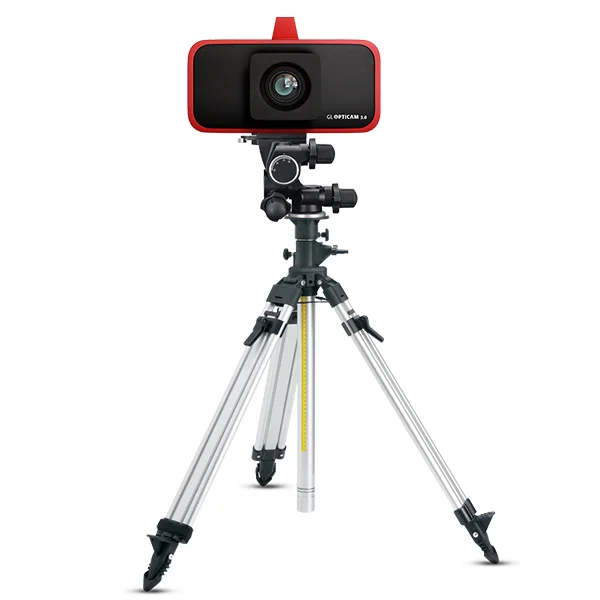
Luminance Meters are precision optical instruments designed to measure the brightness of a surface or light source as perceived by the human eye. Expressed in candela per square metre (cd/m²), luminance is a critical parameter in photometric analysis, particularly in applications involving displays, lighting systems, and visual performance evaluation.
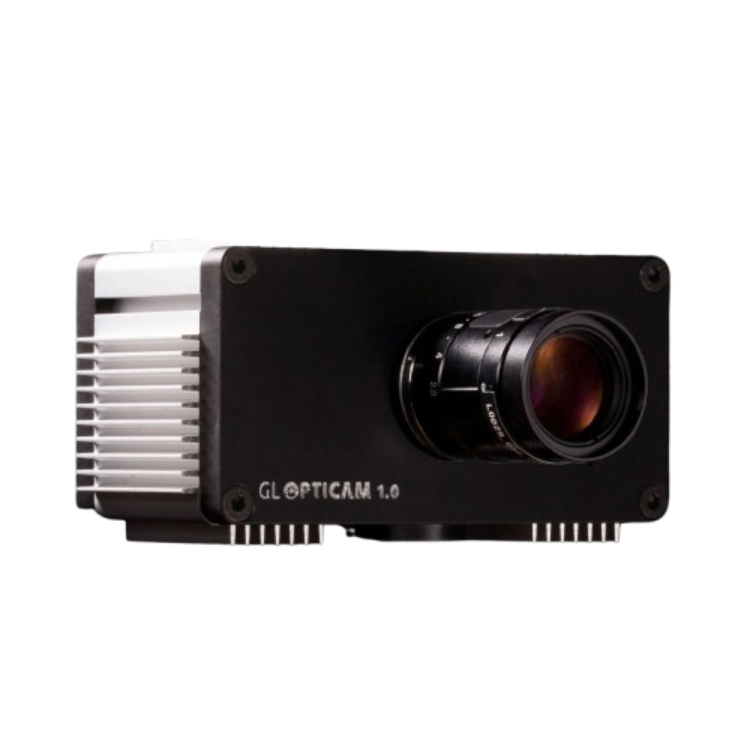 Open product: GL Opticam 1.0
GL Opticam 1.0
GL OPTICAM 1.0 is a high performance optical camera system at an entry level price.… Read more
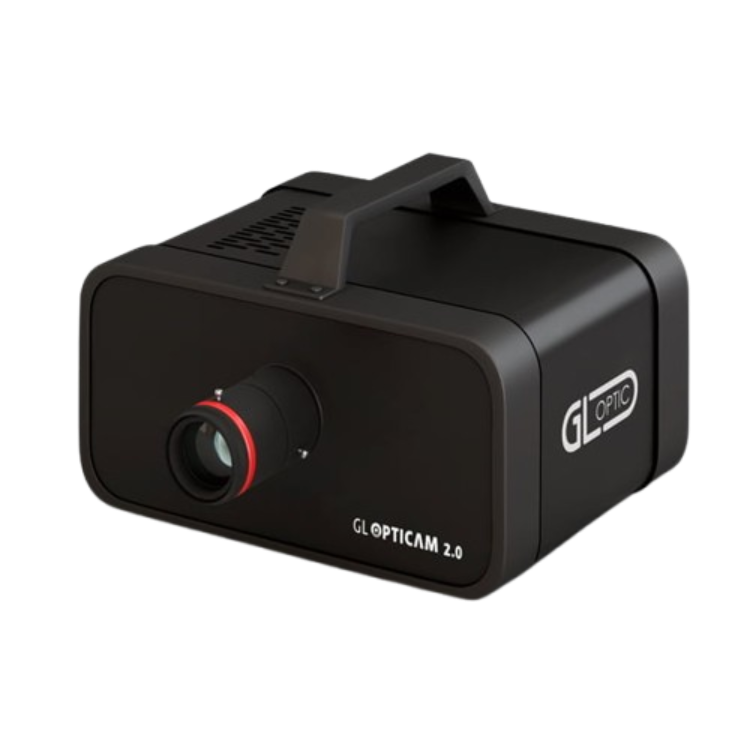 Open product: GL OPTICAM 2.0 4K TEC
GL OPTICAM 2.0 4K TEC
GL OPTICAM 2.0 4K TEC is a high resolution, laboratory performance optical camera system featuring… Read more
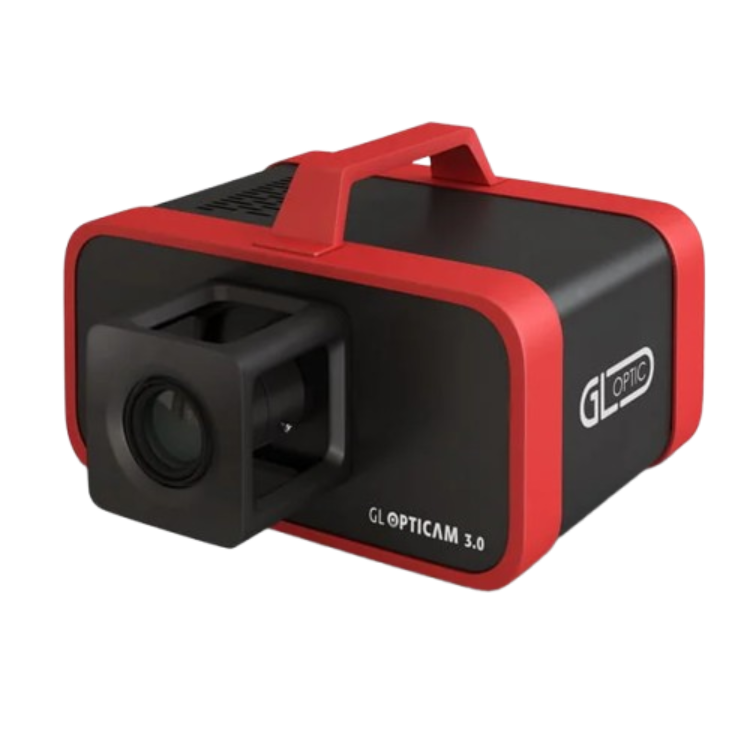 Open product: GL OPTICAM 3.0 4K TEC
GL OPTICAM 3.0 4K TEC
GL OPTICAM 3.0 4K TEC is the world’s first solution fully adapted to field measurements.… Read more
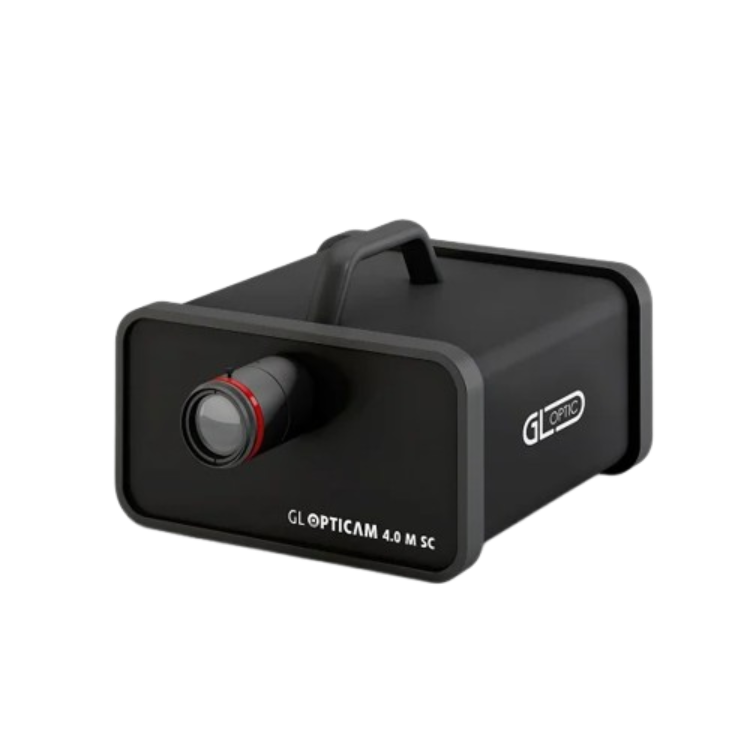 Open product: GL OPTICAM 4.0 M SC
GL OPTICAM 4.0 M SC
GL OPTICAM 4.0 M SC imaging luminance camera is an innovative solution on the market… Read more
In modern photonics and optical engineering, accurate luminance measurement is essential for ensuring product quality, regulatory compliance, and system optimisation. Luminance Meters are widely used in industries such as automotive lighting, display manufacturing, and scientific research, where precise characterisation of light intensity and uniformity is required.
By combining advanced optics, calibrated sensors, and sophisticated signal processing, these instruments provide reliable and repeatable measurements across a wide dynamic range, supporting both laboratory and industrial environments.
What is Luminance Meters?
Luminance Meters are devices used to measure the brightness of light emitted or reflected from a surface in a specific direction. Unlike general light meters that measure illuminance, luminance meters quantify how bright an object appears to the human eye.
They typically incorporate photometric sensors matched to the human eye’s spectral sensitivity (V(λ) curve), ensuring accurate representation of perceived brightness.
Luminance meters are available in two main types:
- Spot luminance meters – measure brightness at a specific point
- Imaging luminance meters – capture spatial brightness distribution across an area
These tools are essential for applications requiring precise visual and optical analysis.
How Luminance Meters Technology Works
Luminance Meters operate based on photometric measurement principles:
- Light collection: Optical lenses focus light from the target area
- Spectral filtering: Filters match the detector response to the human eye (photopic response)
- Signal detection: A photodiode or sensor converts light into an electrical signal
- Signal processing: Electronics process and calibrate the signal
- Output generation: Luminance values are displayed or transmitted digitally
In imaging luminance meters:
- A sensor array captures spatial luminance distribution
- Software processes pixel-level data to generate detailed brightness maps
This enables both point measurement and full-field analysis, depending on system configuration.
Applications of Luminance Meters
Luminance Meters are used across a wide range of industries:
- Display manufacturing – calibration and uniformity testing of screens
- Automotive industry – headlamp and dashboard brightness measurement
- Lighting design – evaluation of LED and architectural lighting systems
- Scientific research – photometric analysis and visual perception studies
- Semiconductor manufacturing – inspection of optoelectronic components
- Medical and life sciences – imaging system calibration
- Defence and security – optical system testing and validation
- Environmental monitoring – light pollution and brightness analysis
- Industrial inspection systems – quality control and visual testing
Key Features and Capabilities
- High-accuracy luminance measurement (cd/m²)
- Wide dynamic range for low to high brightness levels
- Spectral response matched to human eye sensitivity
- Spot and imaging measurement capabilities
- High spatial resolution (for imaging systems)
- Stable calibration and repeatability
- Flexible data output and software integration
- Compact and robust instrument design
Benefits of Using Luminance Meters Systems
Luminance Meters provide significant advantages in optical measurement:
- Accurate visual brightness measurement aligned with human perception
- Improved product quality through precise calibration and testing
- Enhanced system performance in display and lighting applications
- Reliable operation in laboratory and industrial environments
- Scalable integration into automated testing systems
- Efficient data acquisition and analysis
These benefits make them essential tools for photometric measurement and quality assurance.
Choosing the Right Luminance Meters
Selecting the appropriate luminance meter depends on several key factors:
- Measurement range (cd/m²) required for your application
- Accuracy and repeatability requirements
- Spot vs imaging measurement needs
- Field of view and measurement geometry
- Spectral response and calibration standards
- Integration with software and automation systems
- Environmental conditions (ambient light, temperature)
- Portability and form factor
- Maintenance and calibration requirements
Careful selection ensures reliable and accurate measurement performance.
Our Luminance Meters Solutions
PEO Photonics offers advanced Luminance Meters from GL Optic, a specialist in high-precision light measurement solutions.
These systems are designed to:
- Deliver accurate and reliable luminance measurements
- Support both laboratory and industrial applications
- Integrate seamlessly into measurement and testing workflows
Our team provides expert support to help select and implement the right solution for your needs.
Why Choose PEO Photonics
- Expertise in photonics and optical measurement technologies
- Partnerships with leading manufacturers such as GL Optic
- Technical support for system integration and optimisation
- Solutions tailored for research, industrial, and defence applications
- Reliable global supply and logistics
Conclusion
Luminance Meters are essential instruments for measuring and analysing brightness in photonic systems. Their ability to provide accurate, repeatable, and perceptually relevant measurements makes them indispensable in modern optical engineering and quality control.
Explore the luminance measurement solutions available from PEO Photonics or contact our team for expert guidance tailored to your application.


