Integrating Spheres
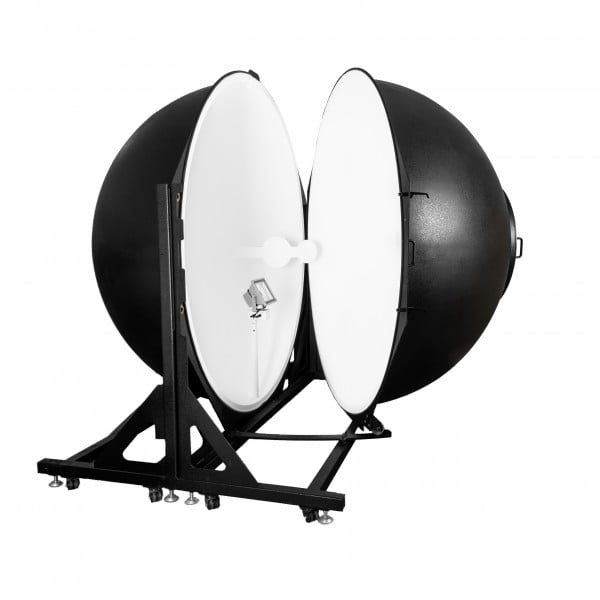
Integrating Spheres are essential optical components used for accurate measurement of light in photonics, optical engineering, and radiometric analysis. By providing a highly uniform and diffuse light distribution, integrating spheres enable precise measurement of total luminous flux, radiance, and spectral power.
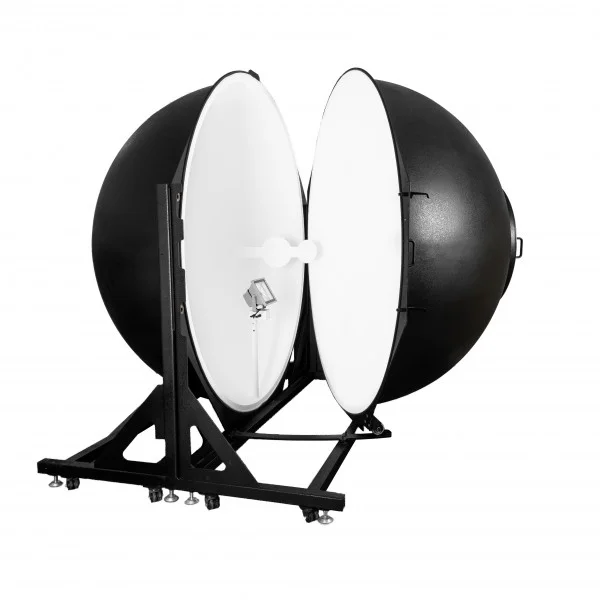 Open product: GL LARGE OPTI SPHERES
GL LARGE OPTI SPHERES
Luminous flux of large LED lamps and luminaires Large integrating sphere sets called GL OPTI… Read more
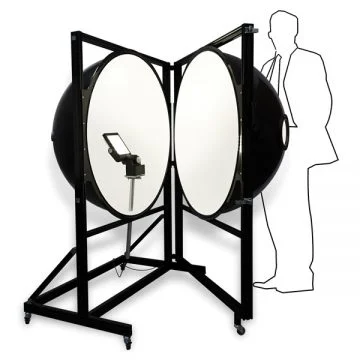 Open product: GL OPTI SPHERE 1100
GL OPTI SPHERE 1100
Luminous flux of LED modules and luminaires The GL OPTI SPHERE 1100 integrating sphere system… Read more
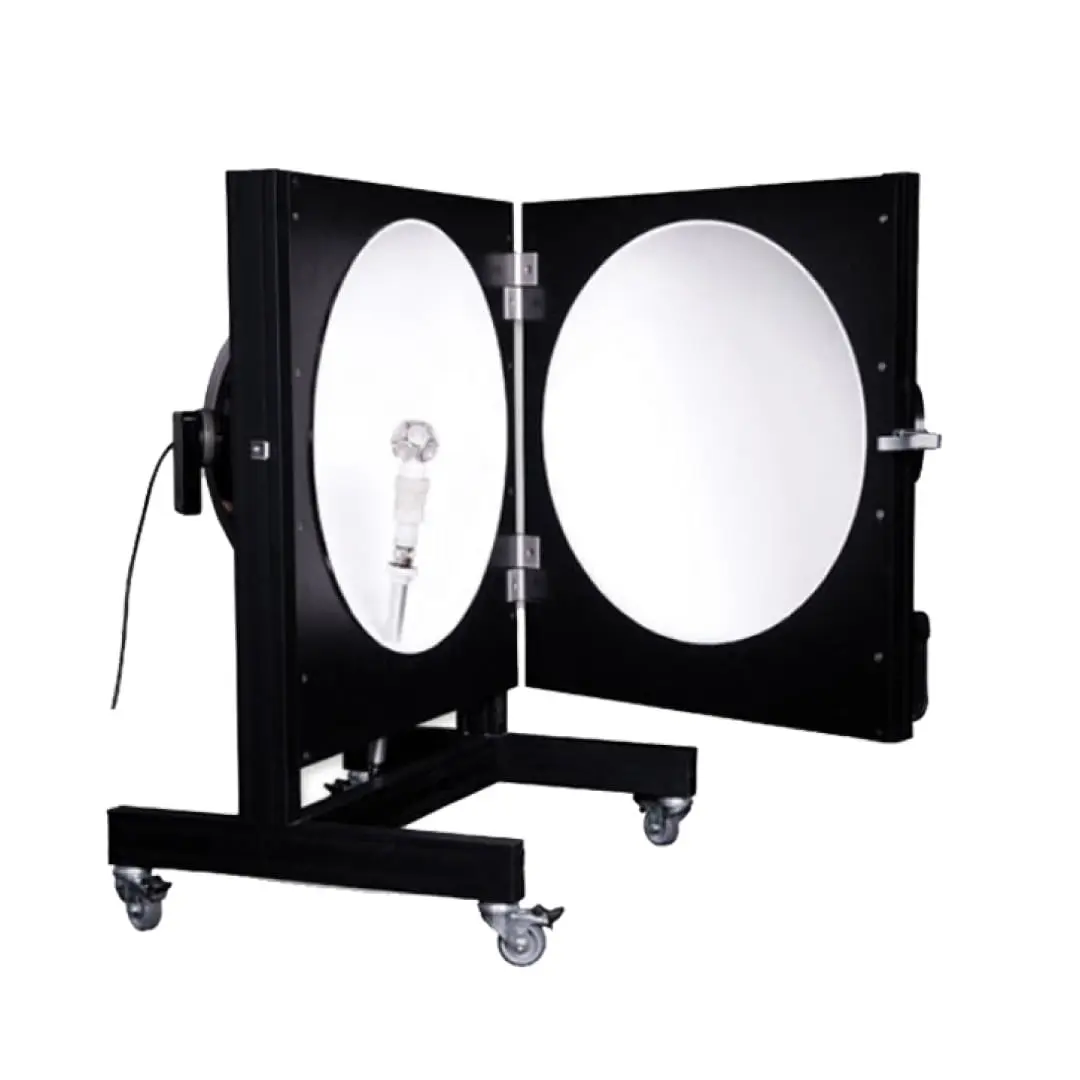 Open product: GL OPTI SPHERE 500
GL OPTI SPHERE 500
Compact integrating sphere system The GL OPTI SPHERE 500 was created especially for expanding lighting… Read more
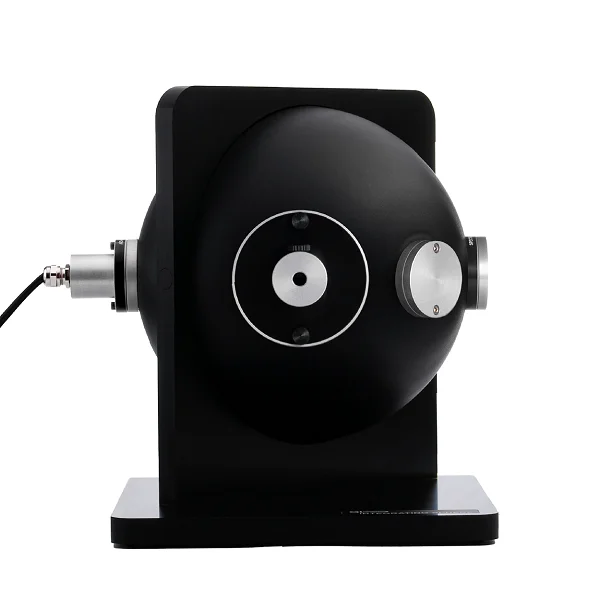 Open product: GL OPTI SPHERE 205
GL OPTI SPHERE 205
Luminous flux & radiant power measurements of LEDs An automated, user-friendly substitute for determining the… Read more
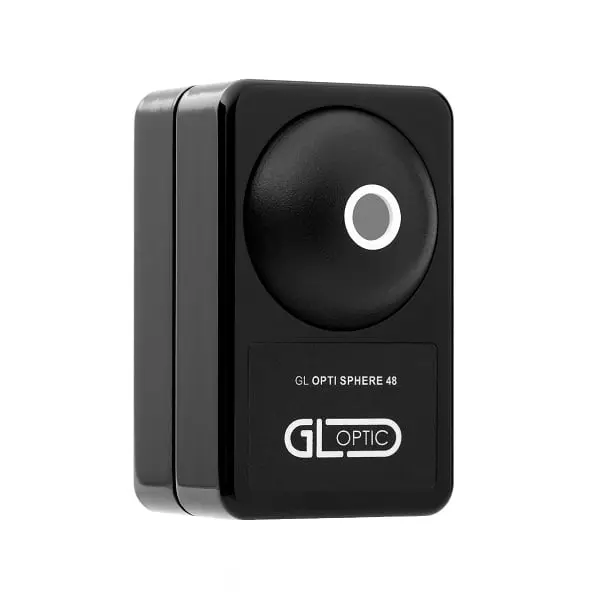 Open product: GL OPTI SPHERE 48
GL OPTI SPHERE 48
Truly accurate flux for single LEDs The GL OPTI SPHERE 48 is an attachment that… Read more
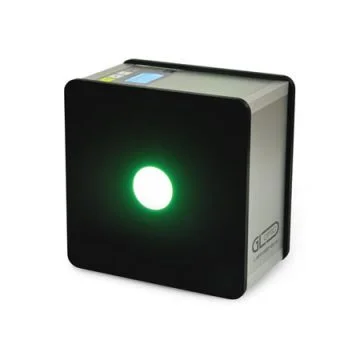 Open product: GL OPTI LIGHT LED
GL OPTI LIGHT LED
Luminance calibration & reference source Utilizing JUST LED Technology, the uniform luminance reference light source… Read more
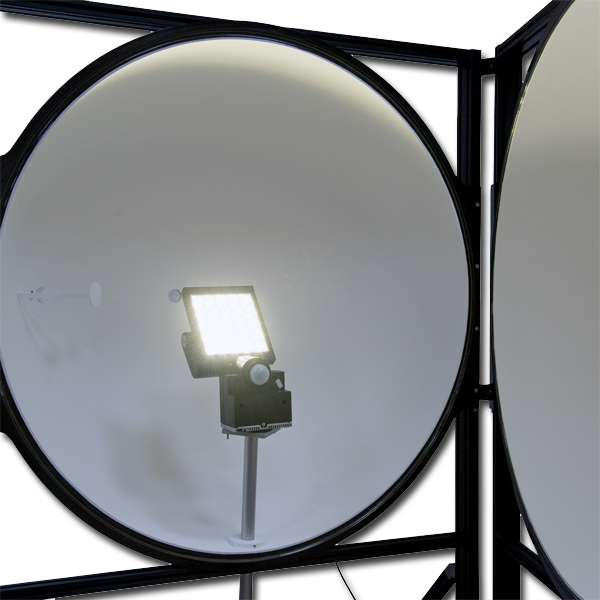 Open product: GL Opti Sphere 1100 – GL Optic
GL Opti Sphere 1100 – GL Optic
The GL OPTI SPHERE 1100 has been designed for the measurement of luminous flux and… Read more
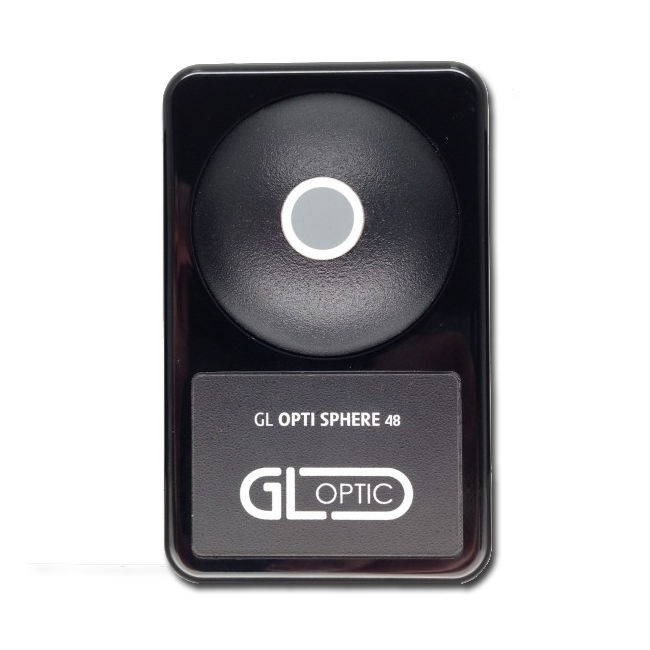 Open product: GL Opti Sphere 48 – GL Optic
GL Opti Sphere 48 – GL Optic
The GL OPTI SPHERE 48 is an accessory for our GL Spectis 1.0 for the… Read more
In modern optical measurement systems, direct light detection is often insufficient due to directional emission and spatial variability. Integrating Spheres overcome these limitations by capturing and redistributing light uniformly across their داخلی surface, ensuring consistent measurement conditions regardless of source geometry.
Widely used in LED testing, spectroscopy, and calibration systems, integrating spheres play a critical role in achieving reliable and repeatable optical measurements. Their ability to support both photometric and radiometric analysis makes them indispensable in laboratory and industrial environments.
What is Integrating Spheres?
Integrating Spheres are hollow spherical cavities with highly reflective داخلی coatings that diffuse incident light uniformly in all directions. This allows for accurate measurement of total light output, independent of the original emission pattern.
Key components include:
- A spherical cavity with diffuse reflective coating
- Input ports for light sources
- Detector ports for measurement devices
- Optional baffles to prevent direct light paths
Integrating Spheres are used to convert directional light into a uniform distribution, enabling precise and repeatable optical measurements.
How Integrating Spheres Technology Works
Integrating Spheres operate based on multiple diffuse reflections:
- Light प्रवेश: Light enters the sphere through an input port
- Diffuse reflection: The داخلی coating reflects light uniformly in all directions
- Multiple scattering: Light undergoes numerous reflections, creating a homogeneous distribution
- Detection: A detector measures the integrated light signal
- Analysis: The system calculates total flux or spectral characteristics
Key principles include:
- High reflectance coatings for minimal loss
- Uniform light distribution independent of source direction
- Optical integration through multiple reflections
This ensures accurate measurement of total light output and spectral properties.
Applications of Integrating Spheres
Integrating Spheres are widely used across photonics and optical industries:
- LED and lighting testing – total luminous flux measurement
- Scientific research – optical and radiometric analysis
- Spectroscopy and analysis – spectral power distribution measurement
- Semiconductor manufacturing – LED and photonic device testing
- Medical and life sciences – imaging system calibration
- Defence and security – optical sensor evaluation
- Environmental monitoring – light measurement calibration
- Telecommunications – optical component testing
- Industrial inspection systems – quality control and validation
Key Features and Capabilities
- High reflectance coatings for उत्कृष्ट light diffusion
- Uniform light distribution across the sphere interior
- Wide spectral compatibility (UV, VIS, NIR)
- Flexible port configurations for مختلف applications
- Compatibility with spectrometers and photometers
- High measurement accuracy and repeatability
- Modular and scalable designs
- Robust construction for laboratory and industrial use
Benefits of Using Integrating Spheres Systems
- Accurate total flux measurement independent of beam shape
- Improved measurement consistency through uniform light distribution
- Enhanced system performance in optical analysis
- Reliable and repeatable results across applications
- Flexible integration with various detectors and systems
- Efficient data acquisition for photometric and radiometric analysis
These benefits are essential for high-precision optical measurement environments.
Choosing the Right Integrating Spheres
Selecting the appropriate Integrating Spheres depends on several factors:
- Sphere diameter relative to light source size
- Reflectance and coating type (e.g. PTFE, BaSO₄)
- Port configuration and size
- Spectral range requirements
- Detector compatibility
- Measurement accuracy and calibration needs
- Integration with existing systems
- Environmental conditions and durability
- Budget and lifecycle considerations
Careful selection ensures optimal measurement performance and accuracy.
Our Integrating Spheres Solutions
PEO Photonics offers high-quality Integrating Spheres from GL Optic, designed for precise photometric and radiometric measurement applications.
These systems are engineered to:
- Deliver uniform light distribution and high accuracy
- Support integration with spectrometers and photometers
- Provide reliable performance in laboratory and industrial environments
Our team offers expert guidance for system configuration and integration.
Why Choose PEO Photonics
- Expertise in photonics and optical measurement technologies
- Partnerships with leading manufacturers such as GL Optic
- Technical support for system integration and application optimisation
- Solutions tailored for research, industrial, and defence sectors
- Reliable global supply and logistics
Conclusion
Integrating Spheres are fundamental tools for accurate light measurement, enabling precise analysis of total flux and spectral properties. Their ability to provide uniform light distribution makes them indispensable in photonics, research, and industrial applications.
Explore the Integrating Spheres available at PEO Photonics or contact our team for expert guidance on selecting the right solution for your optical measurement needs.


